For the faults a camera can see, the phone you already carry sees them too. For the faults it cannot, the answer was never a better camera
Short answer. A video camera turns a machine into thousands of displacement sensors at once, and that is a wonderful thing for unbalance, misalignment, looseness, soft foot and resonance, which move whole machines and structures at low frequency. It is a useless thing for bearings and gears, which barely move anything at all: at their frequencies even a bad fault produces less displacement than any camera on the market can resolve. That line sits around 300 Hz, and it does not move with price. Below it, Dragon Vision® on the phone in your pocket resolves the same order of displacement as a dedicated camera costing, by the accounts of users who bought one, tens of thousands of dollars. Above it, the instrument is an accelerometer, and a wireless one costs less than one of that camera’s lenses. This article explains why in the language of a vibration analyst, without asking you to learn about cameras. The number-by-number version, with every source and every estimate, is the advanced comparison.
We make Dragon Vision®, so we have an interest here. That is why the argument below rests on physics you can check yourself, not on our opinion of anyone’s product.
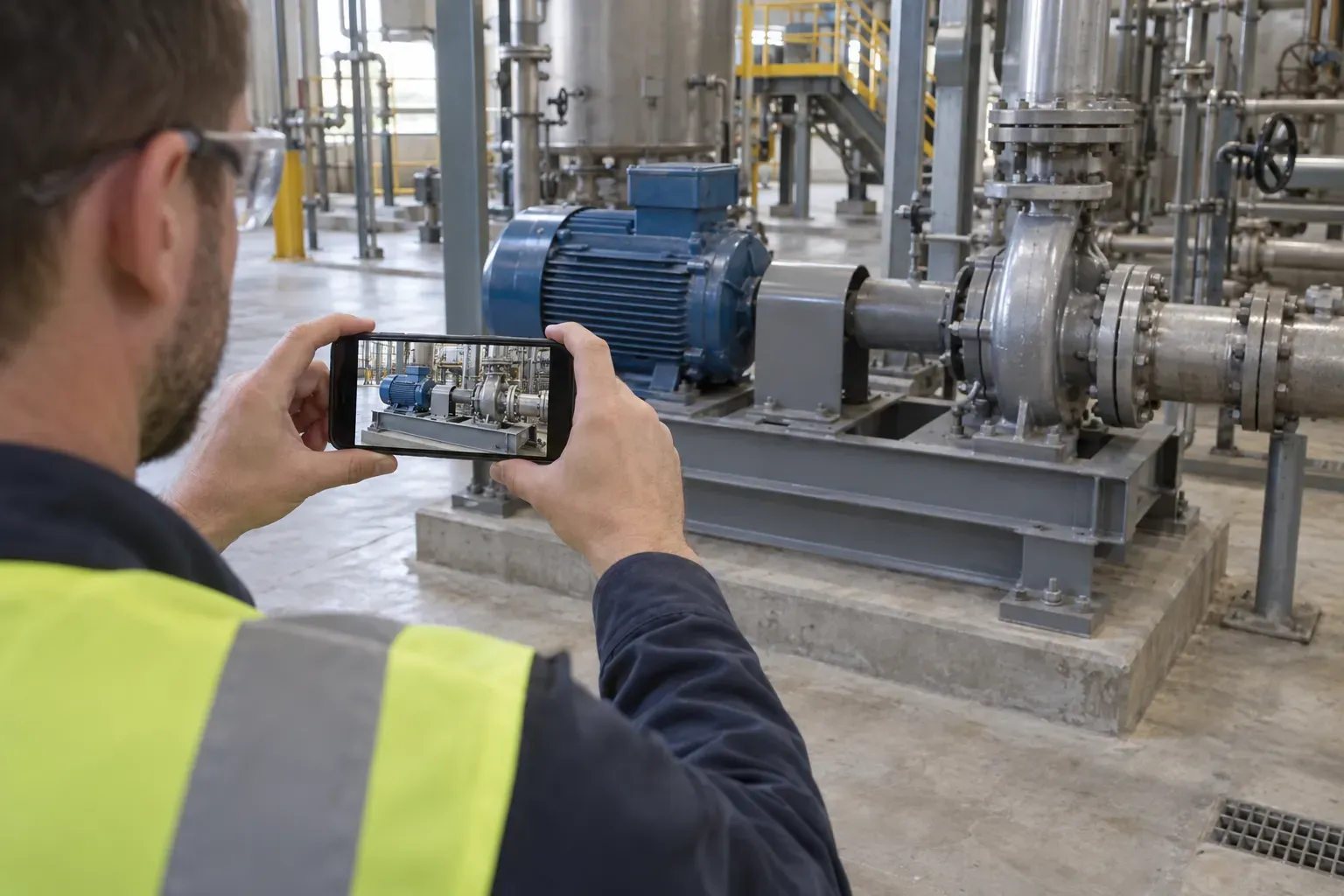
The three things an analyst needs to know about a camera
You do not need to understand lenses, sensors or frame rates. You need three facts.
1. A camera measures displacement. Not acceleration, not velocity. It watches an edge move from one frame to the next, and reports how far it moved. You already know what that implies: for a given severity, displacement shrinks with the square of the frequency. A 1× unbalance at 1,800 rpm that reads 7 mm/s, the ISO alarm level, moves the bearing housing about 37 µm. A bearing defect at 3,000 Hz reading 1 g moves it about 0.03 µm, a thousand times less. The camera did not get worse; the fault simply stopped moving anything.
2. How small a movement a camera can see depends on how big the machine looks in the picture. Not on how far away you stand. Every pixel covers a piece of the machine, and the software can locate an edge to a small fraction of a pixel. Fill the frame with the whole pump set and each pixel covers about a millimetre, so the smallest movement you can see is a few micrometres. Zoom in on one bearing housing until it fills the frame and each pixel covers a fifth of that, so you see movements five times smaller. Distance only matters because it changes how big the machine looks. A phone with a telephoto lens at one metre and a dedicated camera with a 50 mm lens at one metre show you about the same 20 to 30 centimetres of machine, and see about the same movements. The spec sheets say “0.01 mil at 1 metre with a 50 mm lens” because they have to say what was in the picture; the number is not the camera’s, it is the picture’s.
3. A faster camera sees a smaller picture with less light. A sensor can only read so many pixels per second. To go from 120 to 1,300 frames per second, the dedicated camera reads a strip about 2 cm high across the frame. To reach its advertised 29,000 frames per second, it reads a patch of 64 by 32 pixels: at one metre, that is 6 mm by 3 mm of your machine, about the size of a fingernail, and each frame gets one 240th of the light. Those fast modes exist, and they are in the brochure, but they are not looking at a machine; they are looking at a spot.
That is all. Everything else follows.
The same picture, side by side
The only fair way to compare two cameras is to point them at the same thing, with the machine the same size in both pictures. Here are the three pictures an analyst actually takes.
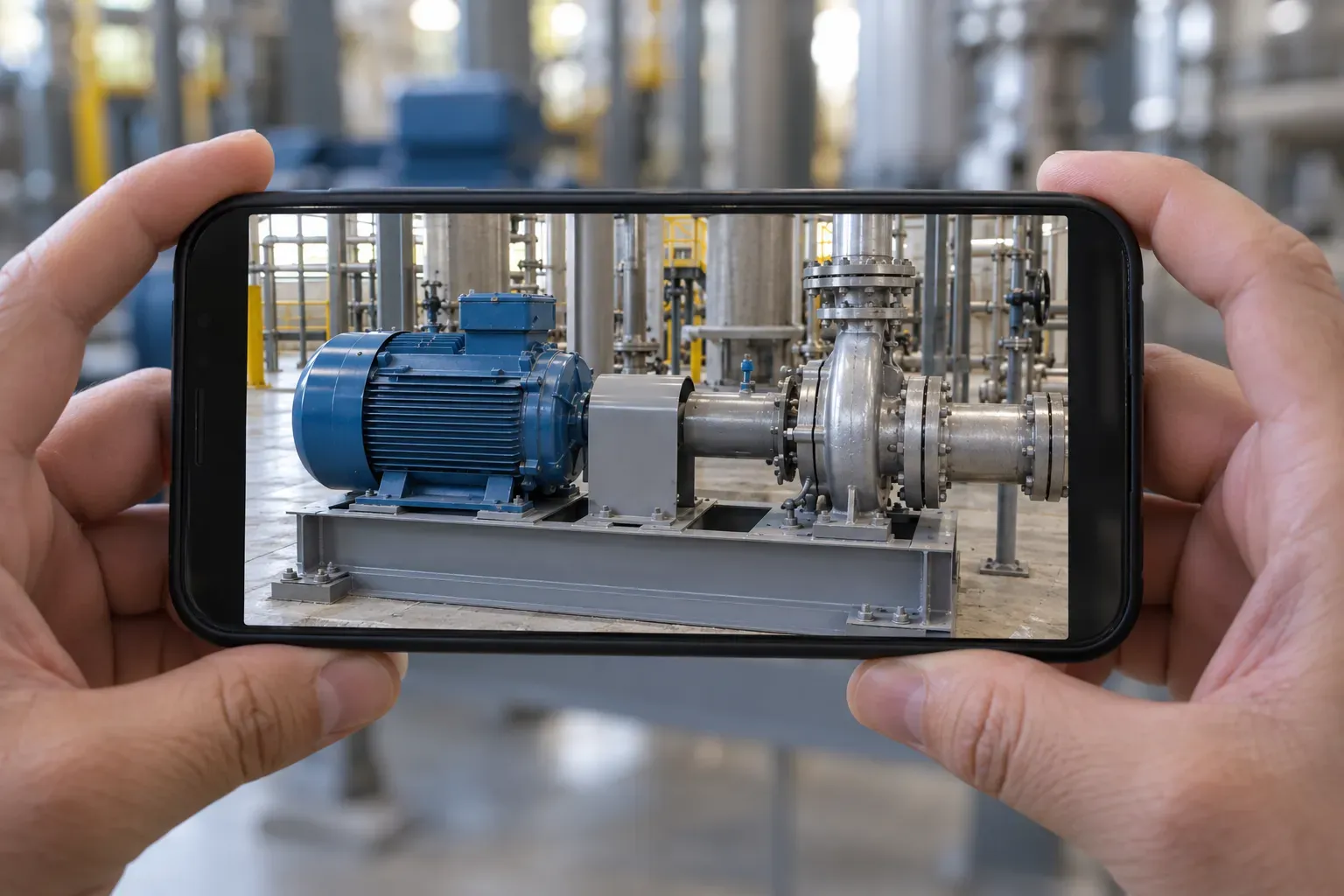
Picture 1: the whole machine, for an operating deflection shape
You want to see the motor, the pump, the base and the piping move together, so you stand back until the whole train fills the frame, about 1.5 m across. With a phone that is the normal 1× lens at about a metre. With the dedicated camera and its 50 mm lens it is the same picture from about seven metres, or a wider lens closer in.
- Smallest movement the phone can see in that picture: about 2.7 µm (estimated from our published measurement; see the advanced comparison).
- Smallest movement the dedicated camera can see in that picture: about 2 µm, from its published specification.
- What you are looking for: unbalance at 37 µm, misalignment at 10 µm, a resonant base at 50 µm, soft foot at 10 µm.
Both cameras see all of it with a margin of ten or more. On the picture that motion magnification was invented for, the phone and the dedicated camera are the same instrument.
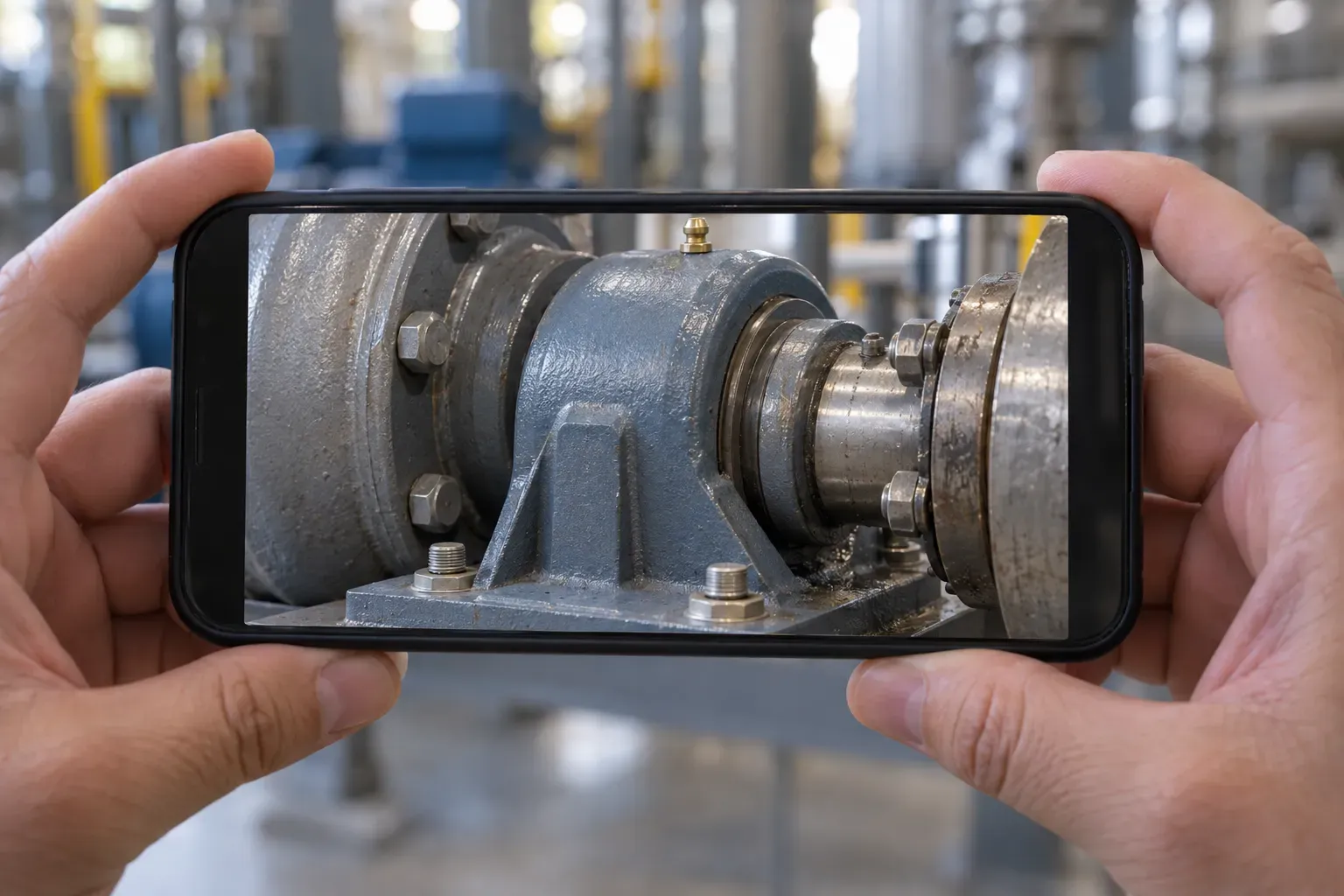
Picture 2: one bearing housing, to see a small motion clearly
You want to know whether one housing is rocking, so you fill the frame with it, about 25 cm across. On a phone that is the 5× telephoto of an iPhone 15 Pro Max at one metre, or the normal lens at 20 cm. On the dedicated camera it is the 50 mm lens at one metre, the exact condition of its spec sheet.
- Phone: about 0.5 µm (estimated).
- Dedicated camera: 0.25 µm (published today; the same camera was published at 2.5 µm in 2018, with the same lens).
- What you are looking for: the same faults as above, now at 10 to 40 µm in a picture that resolves half a micrometre.
The dedicated camera is about twice as fine here. Twice is real, and it is also irrelevant to a fault that is twenty to eighty times above the floor of either camera. Zooming in bought you five times the resolution; the more expensive camera bought you two.
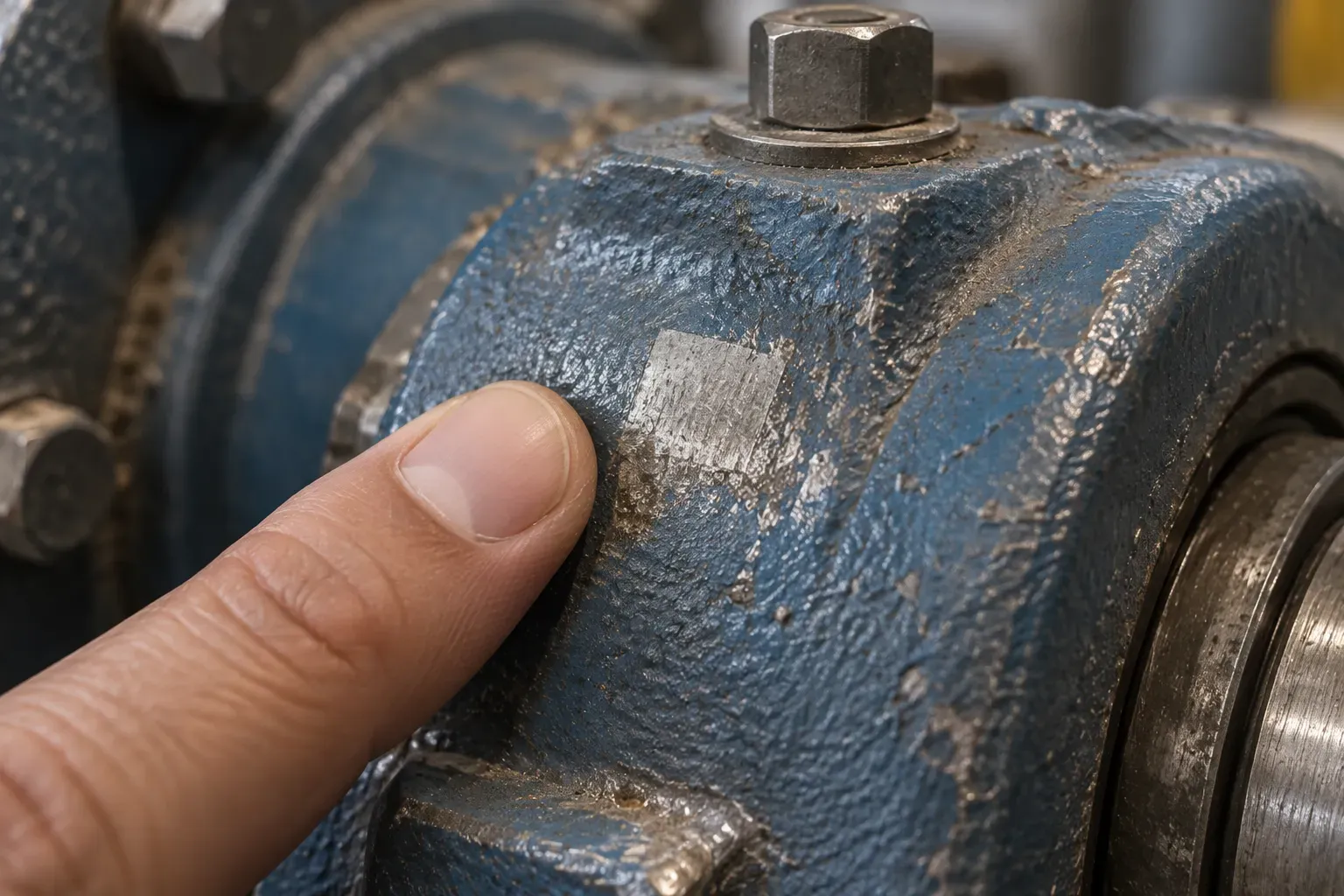
Picture 3: a fingernail of machine, at 14,000 Hz
This is the picture only the dedicated camera can take: 64 by 32 pixels, 6 by 3 mm, at 29,000 frames per second, or a 3 cm patch at 6,000 frames per second. The brochure calls it motion amplification above 5,000 Hz.
- Phone: cannot take this picture.
- Dedicated camera: can take it. In it, with the light of one 240th of a frame, it resolves perhaps 4 µm (estimated).
- What is there to see: at 5,000 Hz, a vibration of 1 g moves the surface 0.01 µm. To reach that 4 µm floor the patch would have to vibrate at about 400 g. To be measured with a normal margin, 4,000 g.
There is no machine in your plant doing that. Frankly, it is a ridiculous picture to take. The instrument that measures a fingernail-sized spot at 5,000 Hz is an accelerometer, it has done so for sixty years, and a wireless one costs a few hundred dollars. Spending tens of thousands on a camera to do it badly is not an advanced capability; it is a spec-sheet number that no machine will ever fill.
What each instrument actually sees, fault by fault
Put the three instruments in front of the faults you diagnose every week, at realistic severities. The displacement column is the same arithmetic you use to convert between velocity and displacement; nothing here is special to cameras.
✔ sees it with margin · ≈ borderline, at the floor · — cannot see it
| Phone + Dragon Vision® | Dedicated camera | Accelerometer | |
|---|---|---|---|
| Low frequency: whole machines and structures move | |||
| Unbalance, 1× at 1,800 rpm (30 Hz), 7 mm/s → 37 µm | ✔ | ✔ | ✔ |
| Misalignment, 2× (60 Hz), 4 mm/s → 11 µm | ✔ | ✔ | ✔ |
| Looseness or soft foot, 1× (30 Hz), 2 mm/s → 11 µm | ✔ | ✔ | ✔ |
| Structural resonance, 15 Hz, 5 mm/s → 53 µm | ✔ | ✔ | ✔ |
| Blade pass, 10 blades × 30 Hz (300 Hz), 3 mm/s → 1.6 µm | ✔ zoom in to see it | ✔ | ✔ |
| High frequency: nothing moves, everything accelerates | |||
| Gear mesh, 1,200 Hz, 2 g → 0.35 µm | — | — below its 1,300 fps floor | ✔ |
| Bearing defect, 3,000 Hz, 1 g → 0.03 µm | — | — | ✔ |
| Faults seen out of seven | 5 / 7 | 5 / 7 | 7 / 7 |
Displacement from velocity: x = v ÷ (2πf); from acceleration: x = a ÷ (2πf)². Camera floors are for the whole-machine picture (≈2.7 µm phone, ≈2 µm dedicated camera) except gear mesh and bearings, which use each camera's best zoomed-in floor at the frame rate needed (0.5 µm estimated for the phone at 240 fps; ≈0.8 µm estimated for the dedicated camera at 1,300 fps). Sources and arithmetic in the advanced comparison.
Read the score row. The phone and the dedicated camera see the same faults, five out of seven, and lose the same two. The accelerometer sees all seven and costs the least of the three. That is the whole comparison: a camera, any camera, is a low-frequency instrument, and the phone is a low-frequency camera you already own.
What this means for the budget
Dragon Vision® for Windows has a published price, $4,499.95 one time with no annual fee, and it runs on iOS, Android and Windows and online, on video from any camera. The camera is the phone you have. A dedicated motion amplification system is sold by quotation, and users who have bought one report paying several times more; the quotation covers the camera, a set of lenses, a ruggedised laptop, a lighting kit, a tripod and training, and the current platform sells the software by modules. There is even a rental market for these cameras, which tells you where the price sits.
Neither price is the point. The point is what you get for it: the phone-based system puts motion magnification in the pocket of every analyst on site, to be used on the first suspicious machine of the day; the dedicated camera puts it in one specialist’s case. And whichever you choose, the money for high frequency belongs to accelerometers, because that is the only instrument that will ever see those faults.